


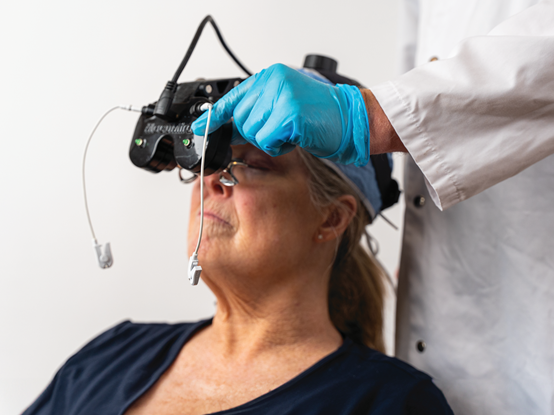
Age-related macular degeneration, commonly known as AMD, is one of the leading causes of vision loss among older adults. The condition affects the macula, the central portion of the retina responsible for detailed vision used in activities such as reading, driving, recognising faces, and viewing fine details. While AMD does not typically cause complete blindness, it can significantly affect daily life by reducing central vision and making routine tasks more challenging.
There are two primary forms of age-related macular degeneration: wet AMD and dry AMD. Dry AMD is by far the more common form, accounting for the majority of cases. It tends to progress gradually over time, although the rate of progression can vary considerably from one individual to another. As research continues to advance, understanding available dry AMD treatment options has become increasingly important for patients seeking to protect their vision and maintain quality of life.
Dry AMD develops when small deposits known as drusen accumulate beneath the retina and when retinal cells gradually become damaged or deteriorate. In its earliest stages, the condition may cause little or no noticeable change in vision. Many individuals are unaware they have the condition until it is identified during a routine eye examination.
As dry AMD progresses, symptoms may become more apparent. Patients often notice blurred or distorted central vision, difficulty reading small print, increased sensitivity to lighting conditions, reduced contrast perception, or challenges recognising faces. These changes can affect independence and daily activities, making timely diagnosis and management particularly important.
One of the first things patients should understand about dry AMD treatment is that management approaches depend largely on the stage and severity of the condition. Treatment strategies that may be appropriate for early-stage disease can differ significantly from those used in more advanced cases.
Regular monitoring remains one of the most important aspects of managing dry AMD. Eye care professionals use comprehensive examinations and imaging technologies to assess retinal health and monitor changes over time. These evaluations help identify disease progression and allow treatment plans to be adjusted when necessary.
Early detection plays a crucial role in preserving vision. Because dry AMD often develops gradually, routine eye examinations provide valuable opportunities to identify changes before significant symptoms develop. Patients who attend regular appointments are often better positioned to benefit from timely interventions and ongoing monitoring.
Nutritional support has long been recognised as an important component of dry AMD management. Research has shown that certain vitamins and minerals may help reduce the risk of progression in individuals with intermediate or advanced forms of the condition. These nutritional formulations are often based on findings from large clinical studies that examined the role of dietary supplements in retinal health.
While nutritional supplements do not cure dry AMD or restore lost vision, they may help slow progression in some patients. Eye care professionals often recommend specific formulations based on an individual’s retinal findings and overall health profile. Patients should always consult their healthcare providers before beginning any supplementation programme.
Diet also plays an important role in supporting eye health. Many specialists encourage patients to consume diets rich in leafy green vegetables, colourful fruits, fish containing omega-3 fatty acids, and other nutrient-dense foods. While dietary changes alone cannot reverse dry AMD, they may contribute positively to overall retinal health and support broader wellness goals.
Lifestyle factors are another important consideration. Smoking has been identified as one of the most significant modifiable risk factors associated with AMD progression. Individuals who smoke face a substantially higher risk of developing advanced disease compared with non-smokers.
For patients diagnosed with dry AMD, smoking cessation is often strongly encouraged. Quitting smoking can provide benefits not only for eye health but also for cardiovascular health, respiratory function, and overall wellbeing.
Managing cardiovascular health may also support AMD management efforts. Conditions such as high blood pressure, elevated cholesterol levels, and vascular disease can affect retinal circulation and overall eye health. Maintaining good control of these factors through appropriate medical care and healthy lifestyle choices may contribute to better long-term outcomes.
Vision monitoring at home is frequently recommended as part of ongoing management. Many patients use simple tools to check for changes in central vision between appointments. Identifying new distortions or vision changes promptly can help ensure that emerging concerns receive timely evaluation.
This is particularly important because some individuals with dry AMD may eventually develop wet AMD, which requires different treatment approaches. Early recognition of these changes allows patients to seek specialist care quickly if necessary.
Advances in medical research have led to new developments in dry AMD treatment, particularly for individuals with advanced forms of the condition. In recent years, therapies targeting specific biological pathways involved in retinal degeneration have emerged as treatment options for certain patients.
These newer treatments are designed to address geographic atrophy, an advanced stage of dry AMD characterised by progressive loss of retinal cells. Geographic atrophy can lead to significant vision impairment as affected areas expand over time.
Although these treatments do not cure the condition or restore lost vision, they may help slow the progression of retinal damage in eligible patients. Eye care specialists evaluate each individual’s circumstances to determine whether these therapies may be appropriate.
Patient expectations are an important part of the treatment process. Many individuals understandably hope for treatments that will restore vision completely. While remarkable advances continue to occur in retinal medicine, current dry AMD treatment approaches are generally focused on slowing progression, preserving remaining vision, and supporting quality of life.
This emphasis on preservation highlights the importance of early intervention and consistent management. The earlier the condition is identified and monitored, the greater the opportunity to protect visual function over time.
Low vision services can also play a valuable role for individuals experiencing significant visual impairment. These services focus on helping patients maximise the use of their remaining vision through specialised devices, adaptive strategies, and practical training.
Magnifiers, enhanced lighting systems, electronic visual aids, and other assistive technologies may help individuals continue performing important daily activities despite vision changes. Many patients find that these resources improve independence and confidence.
Emotional wellbeing should not be overlooked either. Vision changes can affect confidence, mobility, social interactions, and overall quality of life. Some individuals experience frustration, anxiety, or uncertainty as they adapt to changes in their visual abilities.
Support from family members, healthcare professionals, and vision rehabilitation specialists can help patients navigate these challenges more effectively. Education and understanding often play important roles in helping individuals maintain a positive outlook while managing the condition.
Research into dry AMD continues to advance rapidly. Scientists are investigating new medications, regenerative therapies, gene-based approaches, and other innovative strategies aimed at improving outcomes for patients. While many of these treatments remain under investigation, they offer hope for future advances in disease management.
Understanding dry AMD treatment options allows patients to take a more active role in protecting their vision and planning for the future. Although no current treatment can completely reverse dry AMD, a combination of regular monitoring, nutritional support, healthy lifestyle choices, emerging medical therapies, and vision rehabilitation strategies can help many individuals maintain quality of life and preserve useful vision for as long as possible.
As research continues to expand the range of available options, patients diagnosed with dry AMD have more opportunities than ever to work closely with eye care professionals to develop personalised management plans that support long-term eye health and visual function.
More Stories
Revolutionizing Healthcare: AI, Telemedicine, and Personalized Wellness for a Healthier Tomorrow
5 Revolutionary Healthcare Solutions Transforming Lives in 2024
The Hidden Science Behind Every Pill: Unraveling Medicine’s Greatest Secrets